

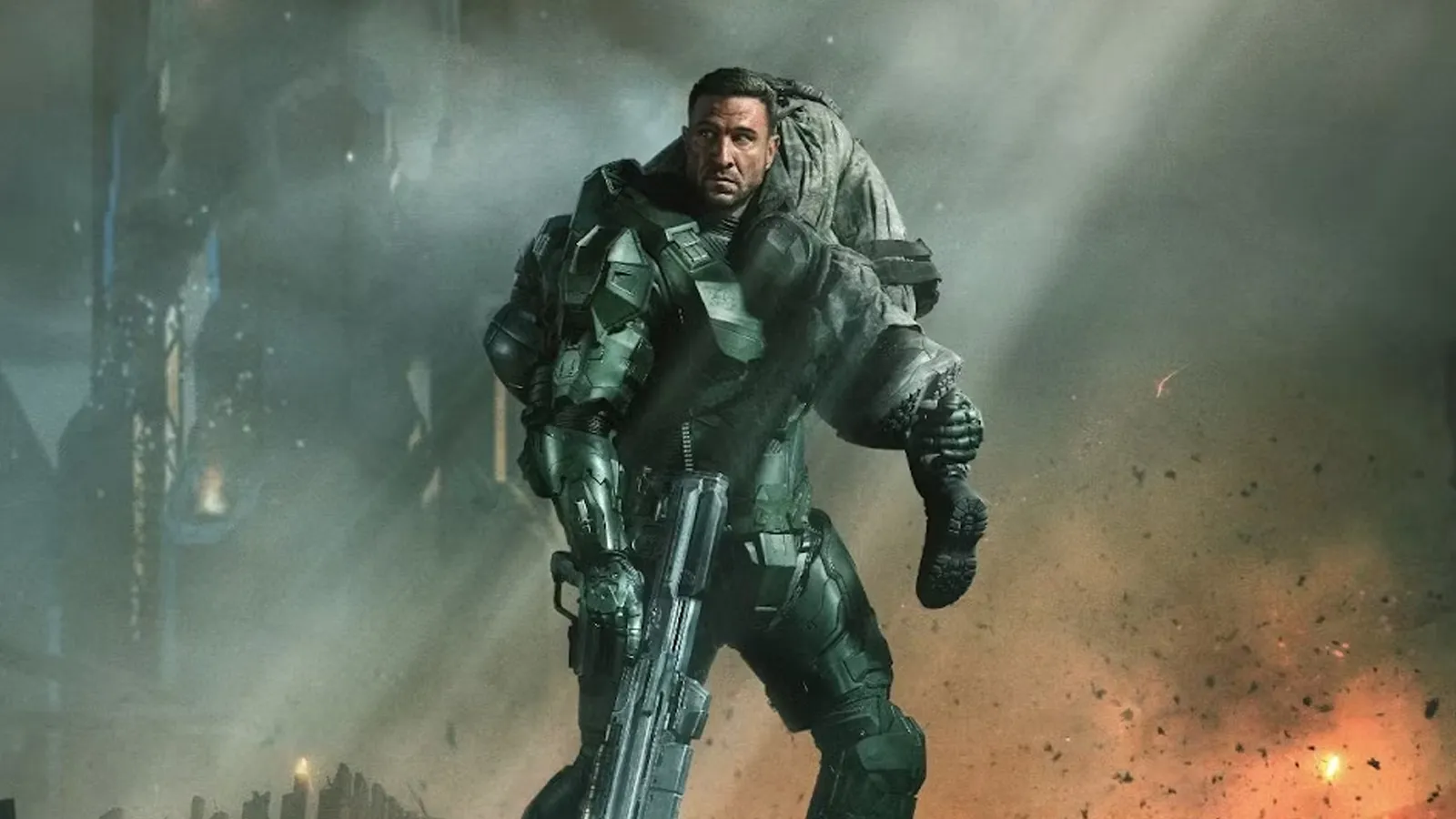

Halo: Reach designer Niles Sankey has confirmed what a lot of players suspected back in 2010: Infinity Ward’s Modern Warfare games shaped the tone of Reach’s campaign, and the game’s devastating closing objective grew directly out of that influence.
In a post on social media, Sankey said the first two Modern Warfare titles were a major influence on how Reach’s campaign was built, and singled out the tonal control in those games as something Bungie admired at the time and still rates today.
Bungie knew where it was winning and where it wasn’t
What makes the admission interesting is how blunt it is about the competitive picture in the late 2000s. Sankey says the team was confident Halo was ahead on things like AI behaviour in combat encounters and vehicle handling, but equally clear that Infinity Ward had the edge elsewhere.
That “elsewhere” was mostly storytelling. Modern Warfare’s willingness to be grim, and its handling of the relationships between the soldiers you fought alongside, was doing something Halo’s campaigns had not really attempted. Master Chief’s arc was built on triumph. Reach was going to be built on a defeat that every player already knew was coming.
Where Noble Team and Objective: Survive came from
Sankey points to two concrete pieces of Reach as descending from that study. The first is the squad interaction across Noble Team, the chatter and friction that turn a group of Spartans into people you register as individuals rather than as a loadout with a helmet on.
The second is the ending. Reach closes with Lone Wolf, the mission where Noble Six is left alone on a doomed planet and the HUD updates to a single instruction: Survive.
Sankey describes that objective as “spiritually inspired by the Nuke sequence”, with Bungie trying to push the idea one step further.
The comparison holds up. Infinity Ward’s nuke moment worked because it took away the thing shooters had trained players to expect, which is that you win the firefight and move on. Reach took the same trick and stretched it into a full mission. You do not lose in a cutscene. You keep fighting, the Covenant keep coming, and the game refuses to end until you are dead. The credits are your death.
Sixteen years on, the ending is still the receipt
Reach landed in a stretch where the FPS genre was pushing hard at what a campaign could do to a player emotionally, and studios were plainly watching each other work. Sankey’s post is a reminder that this was deliberate rather than coincidental. Bungie looked at a rival series, identified the specific thing it did better, and built a response.
It is also a rare bit of candour from a developer about a competitor. Studios do not often say out loud that another team was beating them in a given department. Sankey has, and Reach’s ending is the receipt.

Published: Aug 22, 2026 04:53 am