

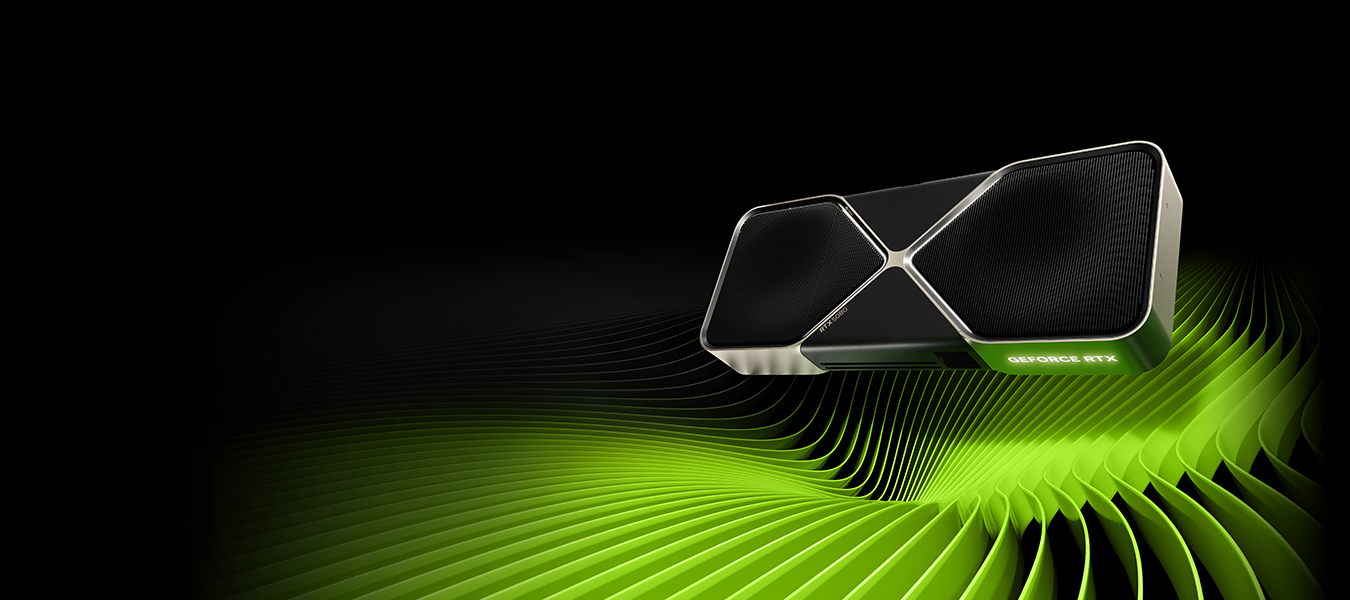

In its latest quarterly report, for the first quarter of fiscal 2027, Nvidia has reshuffled how the numbers get presented. Gaming no longer exists as its own line. Everything that isn’t data center has been bundled into one division, “Edge Computing,” where GeForce cards, GeForce Now, workstation GPUs, AI models, and automotive and robotics chips all land in the same heap. The company calls it a reporting framework that “better reflects its current and future growth drivers.”
Gaming is too small to bother with.
Edge Computing brought in $6.4 billion for the quarter, under ten percent of the total. The data center business pulled in $75.2 billion over the same period, up 21 percent on the quarter and 92 percent on the year. That’s the highest figure the company has ever posted. Gaming customers are paying north of $4,000 for an RTX 5090, and they still get folded into the footnotes.
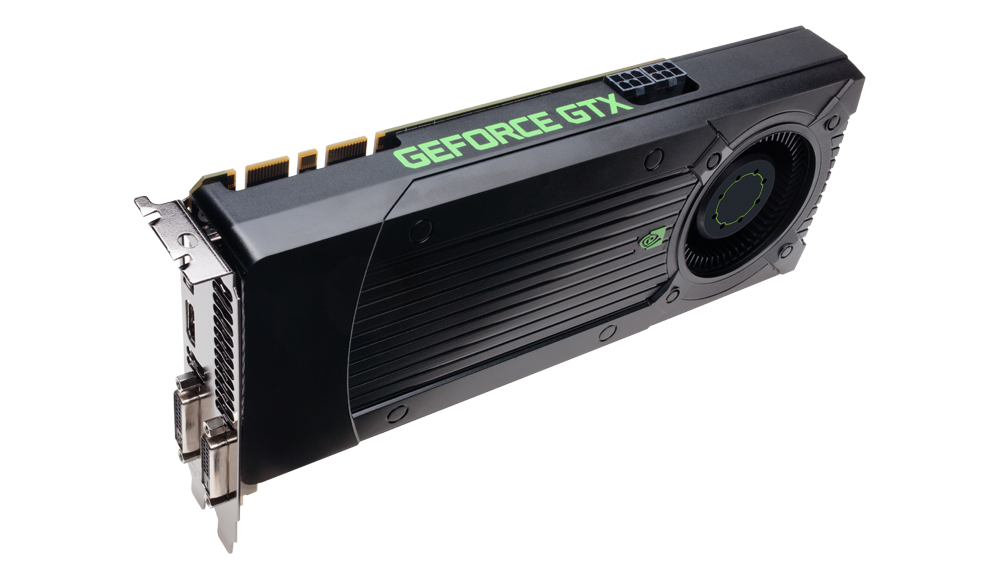
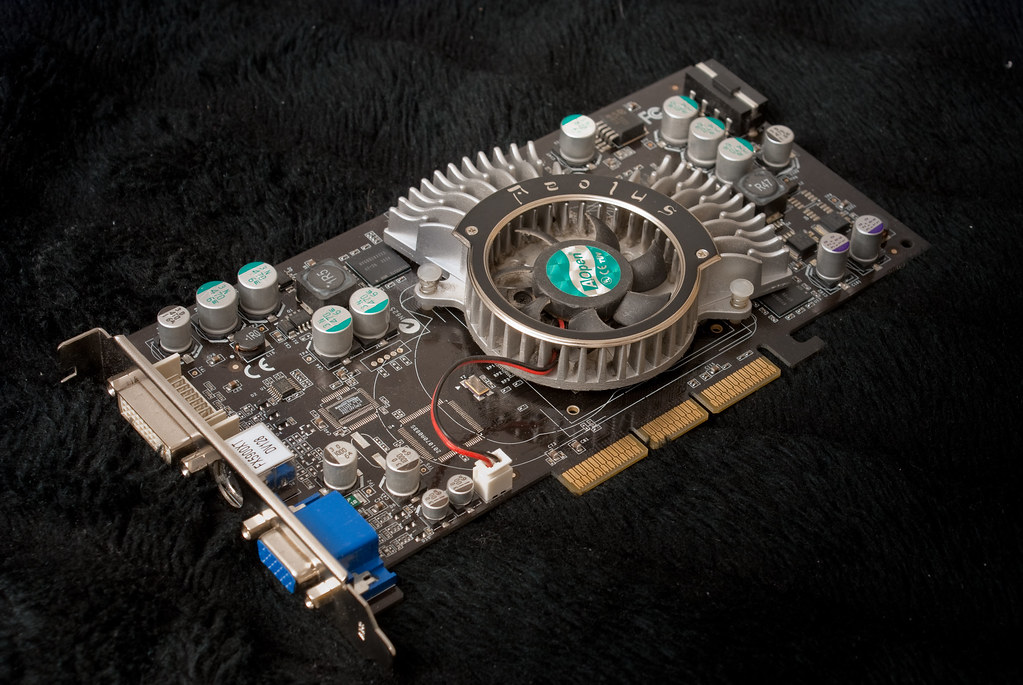
The odd part is that we now know even less about how gaming is actually doing. Last quarter Nvidia already lumped gaming in with its AI model business, which muddied the picture. Now the view is worse: Edge Computing was up 10 percent on the previous quarter and 29 percent on the year, but the report says nothing about what drove that growth, whether it was cards for gamers, cars, robots, or something else entirely.
On the product side, the company points to DLSS 4.5 with Dynamic Multi Frame Generation during the quarter, plus a preview of DLSS 5, which Nvidia calls its biggest graphics breakthrough since ray tracing in 2018. The reception out in the community was a good deal cooler toward the on-the-fly AI image generation, though its real impact is still to be seen.
For an industry built on people who wanted faster frames in their games, the math is now clear enough. Nvidia makes its money somewhere else entirely, and the report is arranged to match.








Published: May 26, 2026 12:33 am