

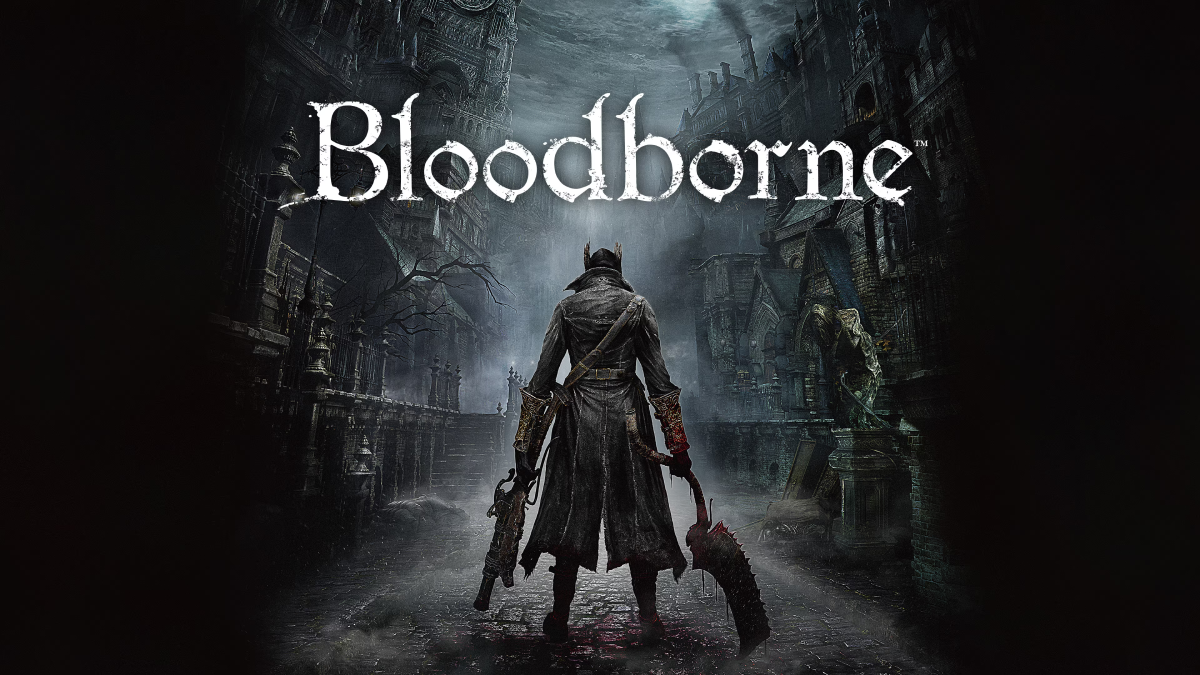

More than a decade after its original launch, Bloodborne continues to achieve something few games ever manage: it is still finding new players at a pace that many modern releases would envy.
According to fresh estimates from market intelligence firm Alinea Analytics, FromSoftware’s gothic action RPG sold an estimated 251,000 additional copies between January and October 30, 2026, bringing its estimated lifetime sales to 10.4 million units worldwide. While these figures have not been officially confirmed by Sony, they highlight the extraordinary longevity of a game that has received neither a remaster nor a PC release.
For a PlayStation 4 exclusive released in 2015 with no remake, sequel or current-generation upgrade those numbers are remarkable.
Bloodborne at a glance
| Metric | Latest Estimate |
| Original Release | March 24, 2015 |
| Developer | FromSoftware |
| Publisher | Sony Interactive Entertainment |
| Platform | PlayStation 4 |
| Estimated Lifetime Sales | 10.4 million copies |
| Estimated Copies Sold (Jan. 1 – Oct. 30, 2026) | 251,000 |
| Estimated Active Players (October 2026) | Around 500,000 |
| Players via PlayStation Plus | Approximately 5.7 million |
| Official Remaster | None |
| Official PC Port | None |
| Official Sequel | None |
Note: All sales and player figures above are estimates published by Alinea Analytics and have not been officially confirmed by Sony.
A modern success story without modern support
Most games experience their strongest commercial momentum during their launch window before gradually fading into the background. Bloodborne has taken a very different path.
Despite remaining locked to PlayStation hardware and still running at 30 FPS, the title continues to attract newcomers while convincing veteran Hunters to return to Yharnam. Alinea Analytics estimates that around 500,000 players jumped into the game during October alone, showing that its audience remains active more than eleven years after release.
That longevity is even more impressive in today’s gaming landscape, where live-service updates, battle passes and seasonal content often dictate how long a game remains relevant. Bloodborne has achieved sustained popularity without any major additions since The Old Hunters expansion launched in 2015.
The FromSoftware effect is stronger than ever
Part of that continued success can be traced to FromSoftware’s growing global reputation.
The phenomenal popularity of Elden Ring has encouraged many players to explore the studio’s earlier catalogue, and Bloodborne remains one of the most frequently recommended titles for anyone looking to experience the origins of the modern Soulsborne formula.
Player data reflects that crossover. Among those who played Bloodborne during October, 12% also played Elden Ring, while 6% also played Dark Souls III and 5% played Sekiro: Shadows Die Twice. Rather than abandoning older releases, many fans continue moving between FromSoftware’s biggest games.
Fans are still waiting for Sony’s next move
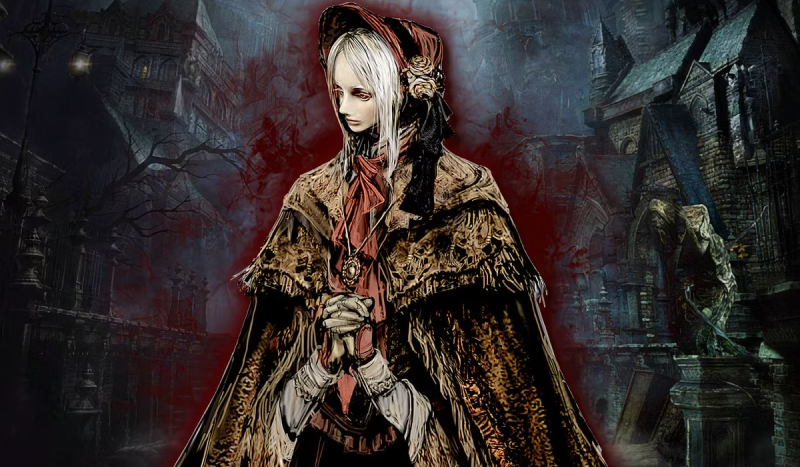
The game’s enduring popularity inevitably raises the same question the community has been asking for years: why hasn’t Sony brought Bloodborne back?
Few PlayStation exclusives have generated such sustained demand for a remaster, remake or PC port. Every PlayStation Showcase and State of Play reignites speculation that Yharnam could finally return with technical improvements for modern hardware.
So far, however, none of those hopes have materialised.
Why Bloodborne’s success is so unusual
| What successful modern games usually receive | Bloodborne |
| Current-generation remaster | ❌ |
| PC version | ❌ |
| Official remake | ❌ |
| Sequel | ❌ |
| Ongoing live-service updates | ❌ |
| Seasonal content | ❌ |
| Active community more than a decade later | ✅ |
| Continued commercial momentum | ✅ |
That silence has become part of Bloodborne’s legacy. Every passing year seems to strengthen its cult status, while every rumour fuels renewed discussion across the gaming community.
The latest market estimates only reinforce that conversation. More than eleven years after launch, Bloodborne continues to attract new players while maintaining an active community, an impressive feat for a title that has never received the modern re-release fans have been requesting for years.
A community that never stopped growing
Bloodborne’s longevity cannot be explained by nostalgia alone.
Its atmospheric world, relentless combat and distinctive risk-versus-reward mechanics still feel unlike anything else on the market. While countless developers have drawn inspiration from the Souls formula over the past decade, few have successfully recreated Bloodborne’s unique combination of speed, horror and exploration.
The community has also played a crucial role in keeping the game alive. Lore breakdowns, challenge runs, speedruns and retrospective videos continue to introduce new players to Yharnam every year.
PlayStation Plus has further expanded that audience. Alinea Analytics estimates that approximately 5.7 million players first experienced Bloodborne through Sony’s subscription service, demonstrating how the game continues to reach fresh audiences long after its original release.
Success without a sequel
Perhaps the most surprising aspect of Bloodborne’s story is that it has achieved this level of longevity without any direct follow-up.
Many franchises depend on sequels, remasters or annual releases to remain relevant. Bloodborne has accomplished the opposite, relying almost entirely on the quality of its original design and the enduring passion of its community.
While Sony remains silent about the franchise’s future, one thing has become increasingly difficult to ignore: Bloodborne’s appeal has shown remarkable resilience. More than a decade after its debut, it continues to draw new players, inspire discussion and stand as one of PlayStation’s most beloved exclusives.
Few games become classics. Even fewer continue to feel culturally relevant eleven years after release.
Bloodborne has quietly achieved exactly that.


Published: Nov 3, 2026 03:16 pm